Before You Buy Another Organizer, Check These Three Things
Disclosure: This post contains affiliate links. If you make a purchase through these links, I may earn a small commission at no extra cost to you.
The short answer: An organizer is a good buy only if it fits the space, keeps the contents easy to reach, and is simple to reset. Empty the area, group the things you use, and measure the awkward parts before shopping. Try an existing box or basket first. If that already solves the problem, there may be nothing to buy.
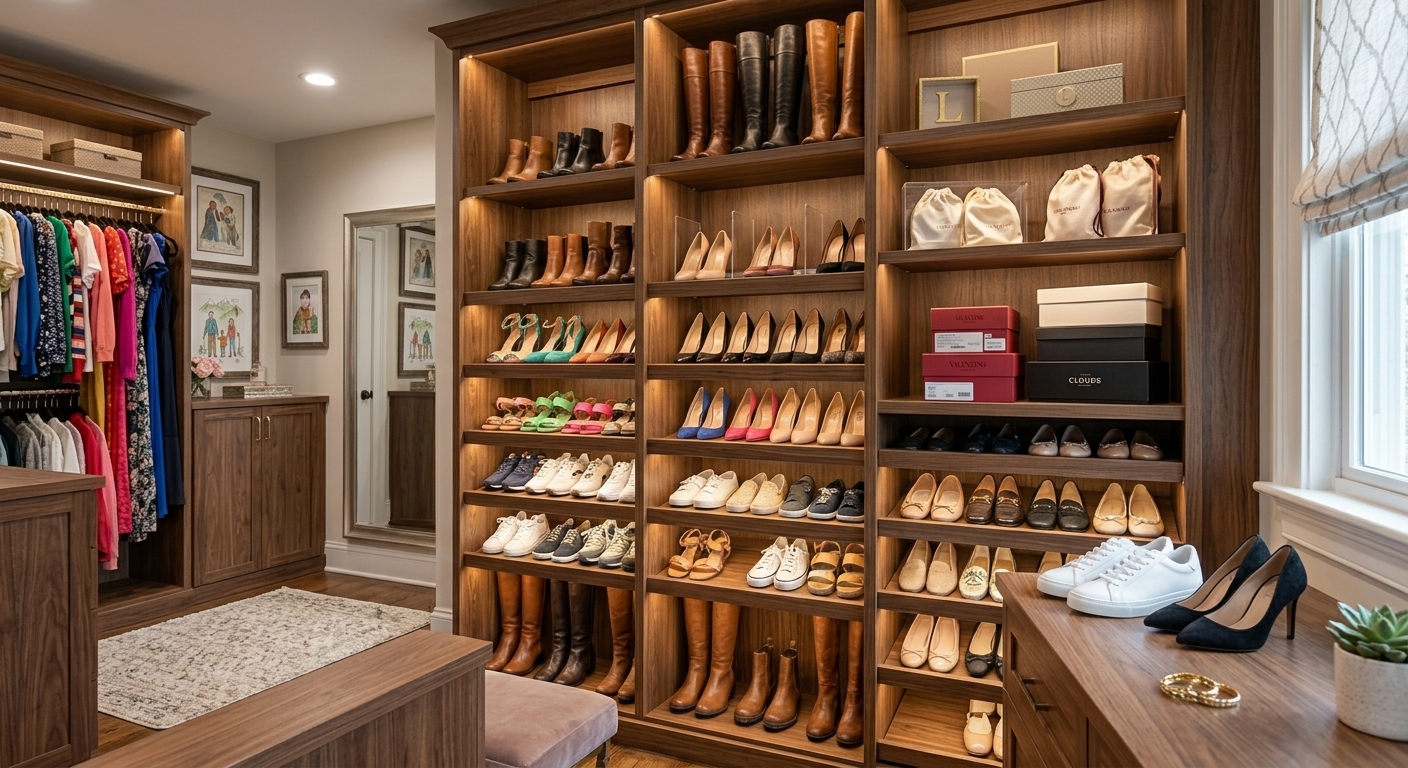
What problem should this purchase solve?
Storage purchases can become an expensive way of keeping things we no longer need. I prefer to start with the contents, not the container. Separate the items that belong here from the ones that merely landed here. Then watch what happens during a normal week: are you losing small things, stacking too high, or moving three items to reach one? Those are different problems and deserve different solutions.
Which options belong on the shortlist?
The useful shortlist is Handled Storage Basket, Adjustable Shelf Insert, Shallow Drawer Tray, Freestanding Shoe Rack, Washable Fabric Storage Bin. Each piece has a different job, so compare the role it plays rather than collecting every option at once.
What works
A handled basket lets you move a group together. A shelf insert can make better use of otherwise empty height. A shallow tray stops small items migrating across a drawer. An open shoe rack makes pairs visible, while a fabric bin is a soft-sided option for lightweight folded textiles. The simplest version of each can be entirely adequate if the dimensions and construction are right.
What to watch
Handles and tapered sides reduce usable space. A shelf insert raises the stored weight and may make the upper shelf harder to reach. Deep bins can bury smaller items. Fabric sides can sag with heavy contents. Adjustable hardware is not automatically sturdy: check the stated capacity and assembly requirements. A bargain that prevents the cupboard door from closing is not a bargain.
How would I choose between them?
Measure inside the space at its narrowest point, including hinges, shelf brackets, skirting, and door clearance. Write down the largest object that needs to fit. For a shoe rack, use the actual shoes, including boots, rather than the advertised pair count. For folded linens, stack what you regularly use and compare that stack with the bin's internal dimensions. Under a sink, account for plumbing without moving or leaning on it. Keep cleaning products in their original labelled containers and follow their storage instructions; an attractive basket never replaces safe storage.

Buying guide: check these details first
- Measure the space, routine, or item this needs to fit.
- Compare material and construction before color or trend.
- Choose the simplest option that solves the full problem.
- Know the return policy before testing an unfamiliar category.
Frequently asked questions
Is clear storage always better?
Clear sides help identify contents, but labels or an open basket can do the same job. Visibility is useful only if the container fits and can be reached.
Should I buy a matching set?
Check each size individually. Sets are worthwhile only when you have a real use for every piece; unused containers are still clutter.
What measurements matter most?
Internal capacity, external footprint, usable height, and the clearance needed to pull the organizer out or open its lid.
The good-buy bottom line
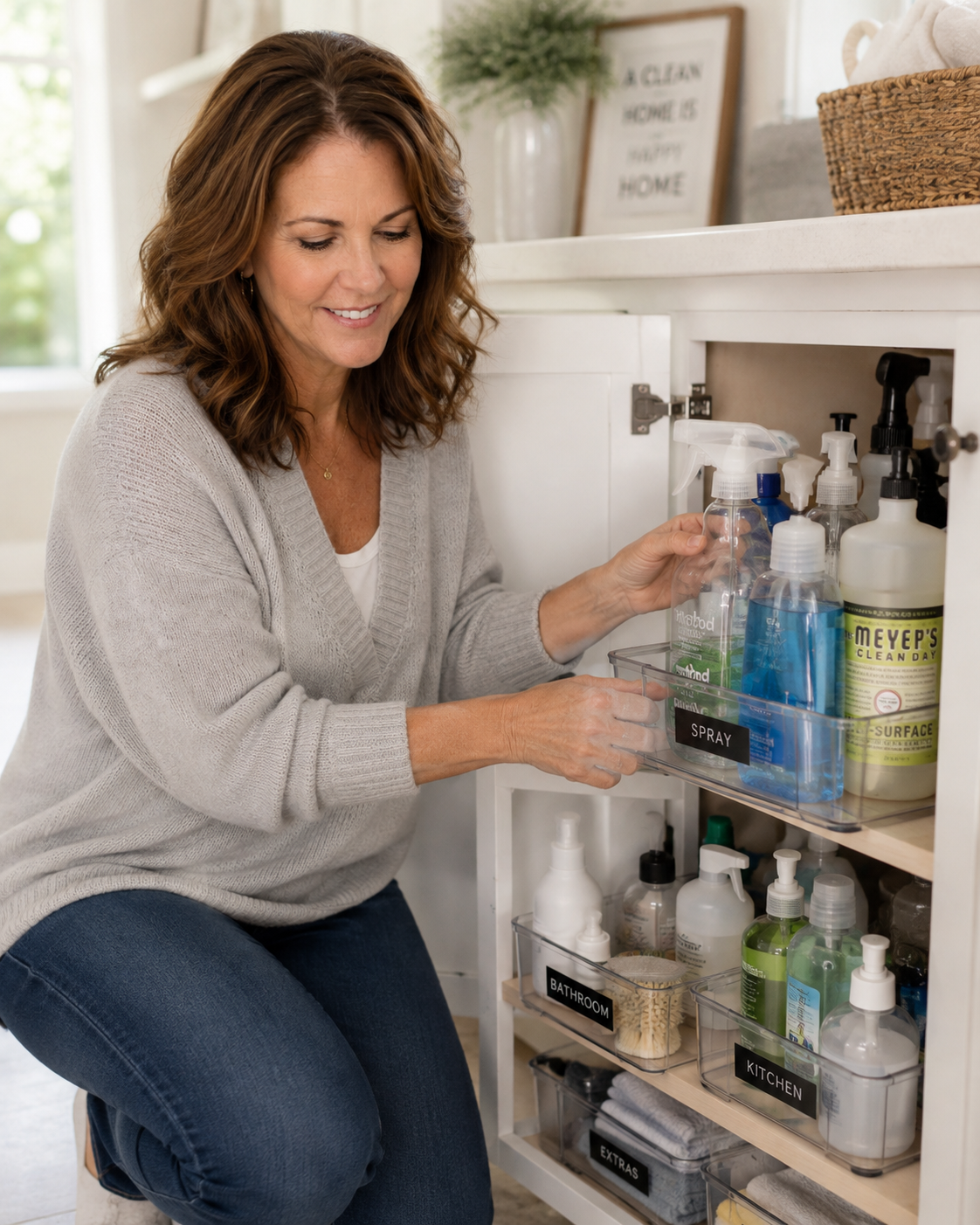
Spend on the feature that fixes the problem: a useful handle, a stable shelf, a washable lining, or the right depth. Skip the premium finish if it adds nothing to the job. Buy one, live with it, and decide whether the setup still works before repeating it around the house. The best value often looks pleasantly ordinary.